The Neely MacArthur Movement
Practical movement support
Move with intelligence. Build strength with confidence.
Read the pattern. Build the capacity.
Neely MacArthur helps people build strength, steadiness, and confidence through clear, practical movement support. Her approach makes movement feel less random and more connected to everyday life.
Scope: Educational movement support. Medical questions stay with the appropriate regulated provider.
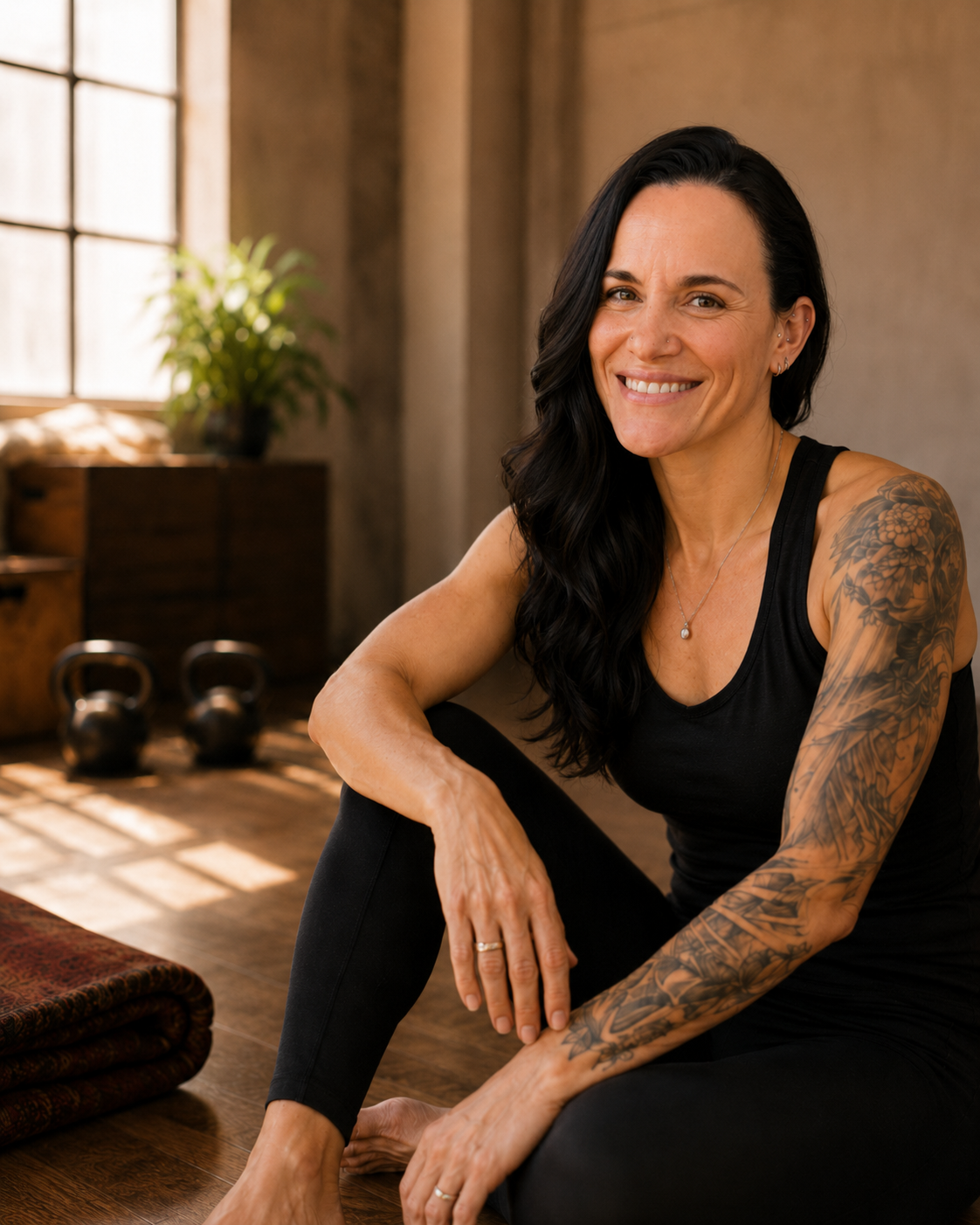
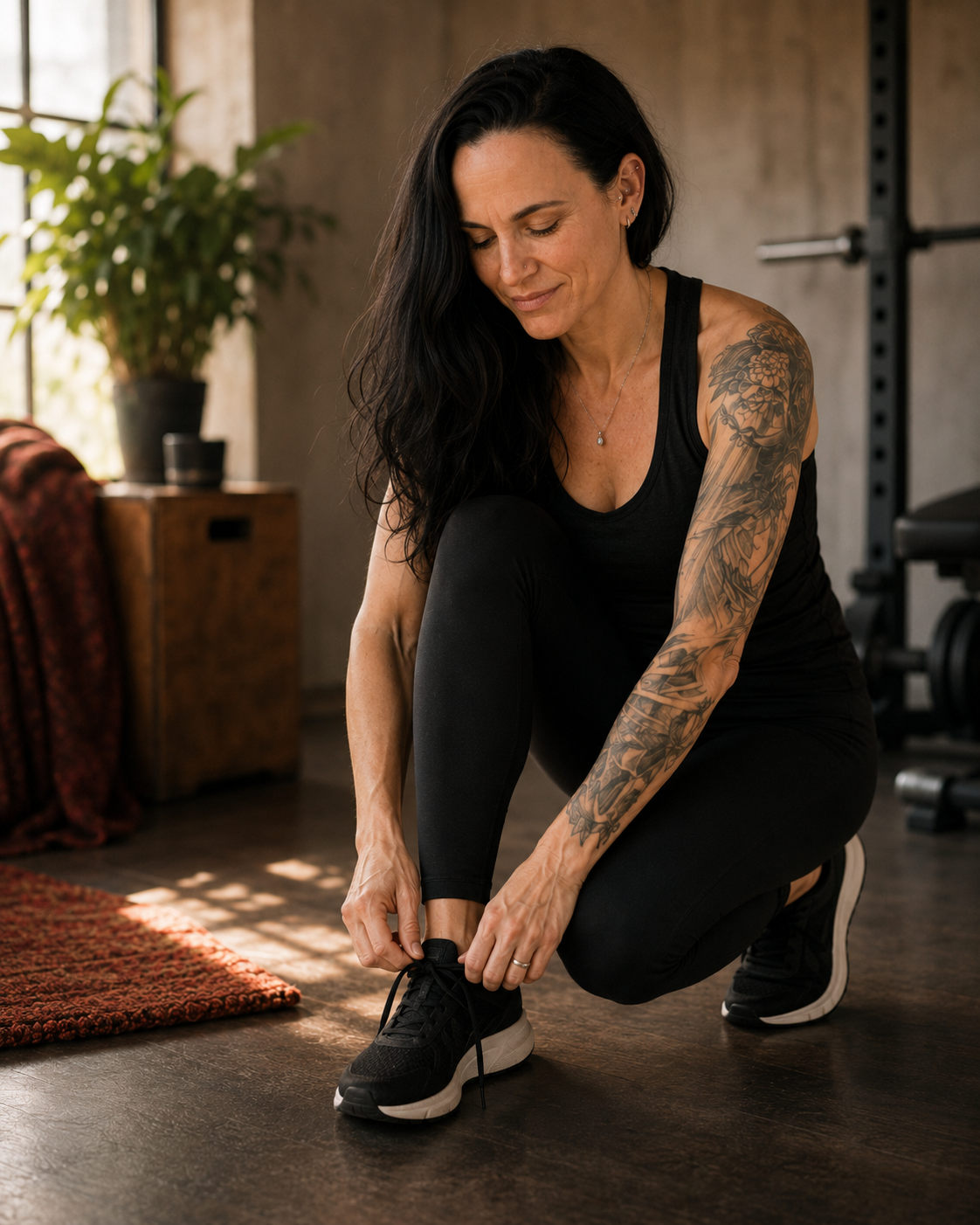
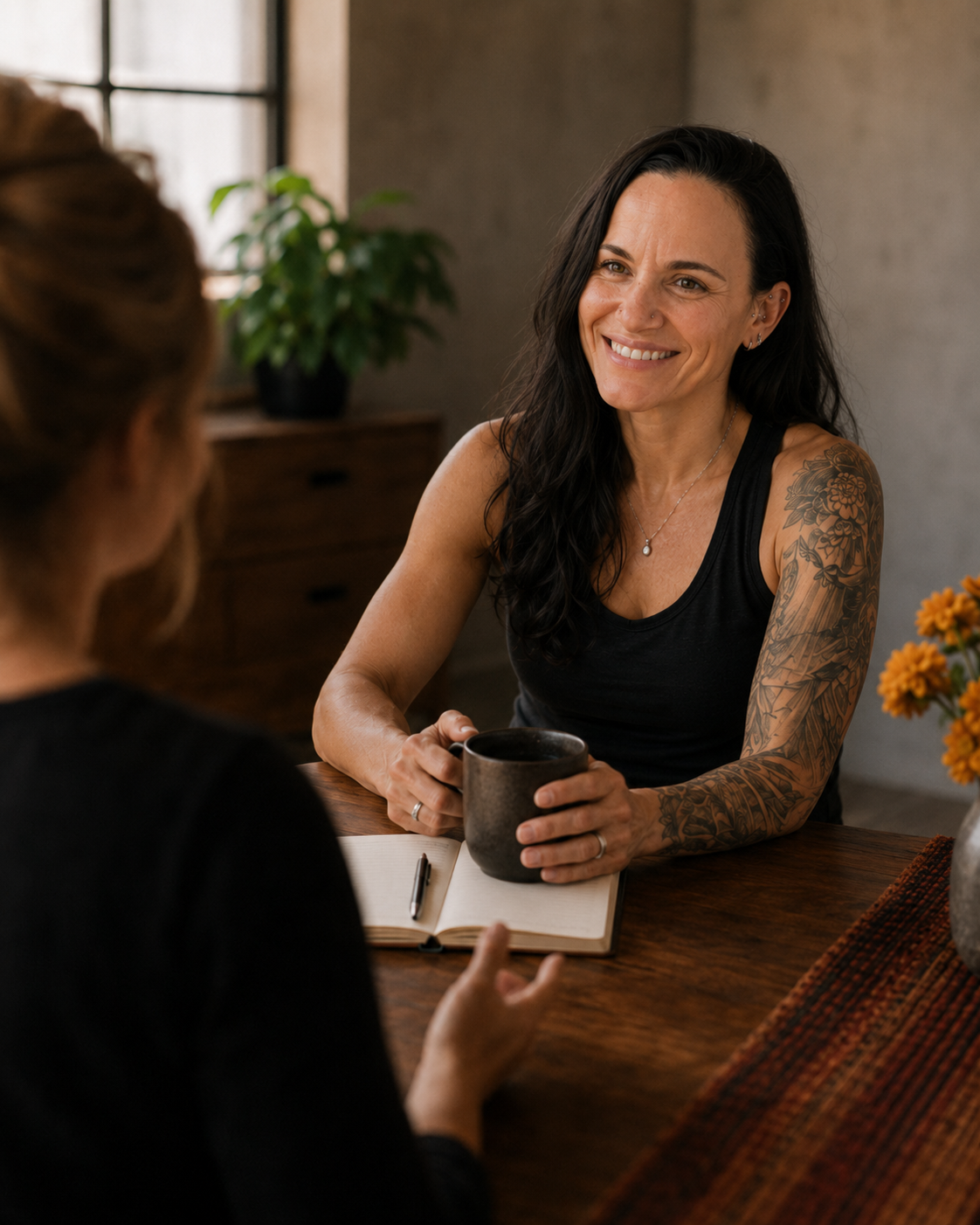
 Movement Intelligence
Read the way you move
Build practical strength
Notice compensation and hesitation
Create steady consistency
The idea
Movement is intelligence in motion.
The work is not random intensity. It is pattern, awareness, physical capacity, consistency, and the self-trust that comes from understanding how your body actually moves.
01 — Who it is for
For people who want stronger, smarter movement without chaos.
AYou are tired of random routines and want movement to make sense.
BYou want strength, mobility, and confidence without performance culture.
CYou want to understand where you brace, rush, avoid, or lose steadiness.
DYou want sustainable consistency, not another complicated routine.
This is for people who want to move with more awareness, build real capacity, and feel more connected to the strength they already have and the strength they are building.
02 — What to expect
A grounded process that makes movement less random.
01
A calm first conversation
You start with a simple intro call about what you want from movement: more strength, better consistency, more awareness, or more confidence in how your body works.
02
Observe how you move
Neely watches for rhythm, hesitation, bracing, range, control, steadiness, and the small patterns that can make movement feel confusing or inconsistent.
03
Adjust in real time
Support is practical and responsive. The work changes with your energy, attention, confidence, and what your body is showing that day.
04
Build practical strength
The focus is usable strength, mobility, capacity, and control that connect to real movement rather than disconnected exercises.
05
Create consistency
You leave with clear, manageable next steps so movement feels less like guesswork and more like something you can keep returning to.
03 — The Movement Intelligence Lens
A practical eye for how bodies actually move.
Movement Intelligence is the physical ability to observe how a body moves, compensates, guards, loses steadiness, builds capacity, and gains confidence. It is kinesthetic observation and movement awareness, not cognitive testing, diagnosis, or medical evaluation.
→
Neely reads movement patterns: where someone braces, avoids, rushes, overworks, or loses control.
→
She adjusts support in real time so the work stays clear, useful, and connected to the person in front of her.
→
The focus is strength, steadiness, capacity, and consistency that a person can understand and repeat.
04 — The pillars
Five anchors for intelligent movement.
01
Strength
Build force you can control, repeat, and trust.
02
Mobility
Find usable range without forcing your body into shapes.
03
Capacity
Expand what your body can handle with steadier progression.
04
Consistency
Create patterns you can return to without all-or-nothing pressure.
05
Confidence
Build self-trust through movement that becomes clearer over time.
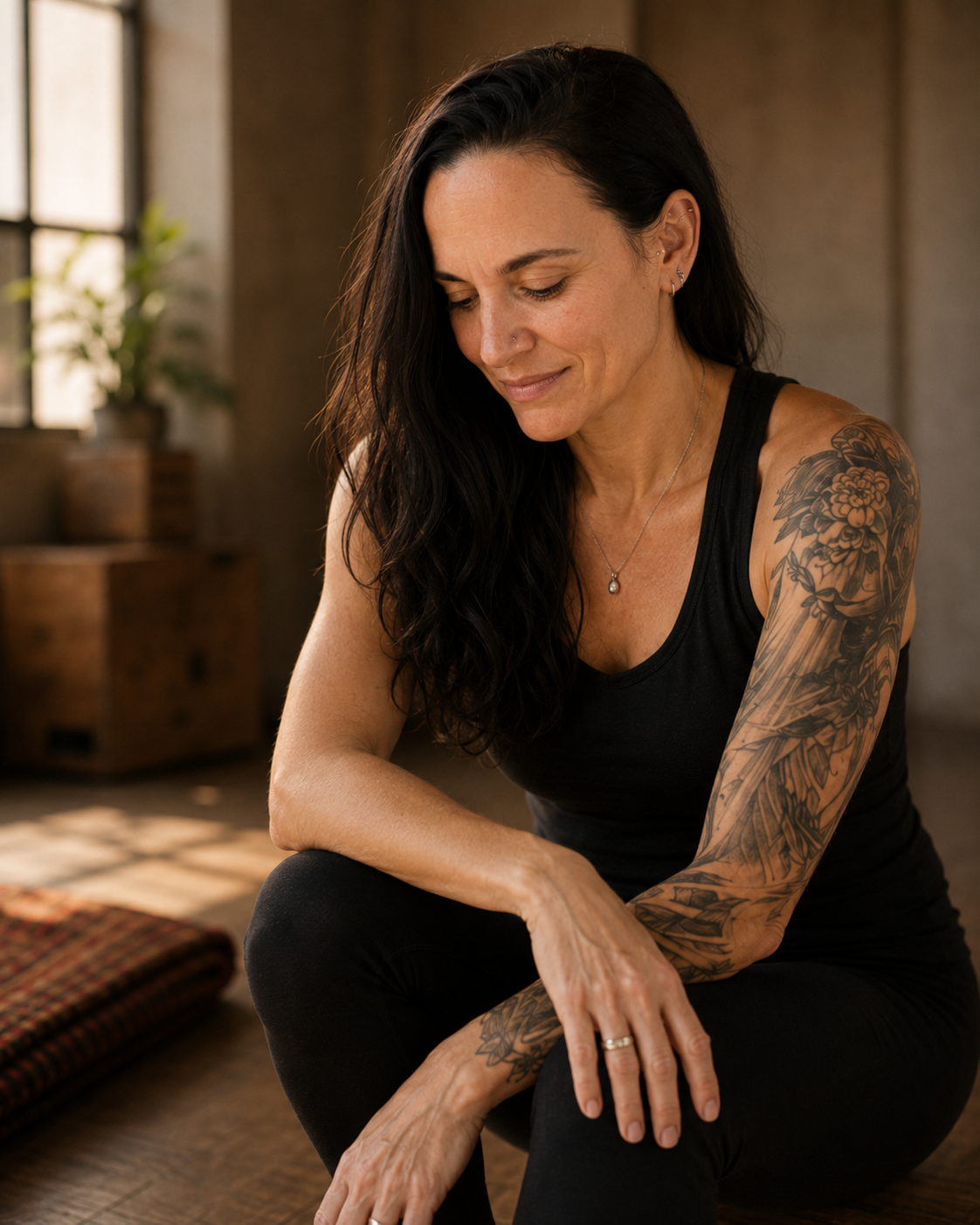
Conversation
Calm first step
A warm, grounded start that keeps the work human and practical.
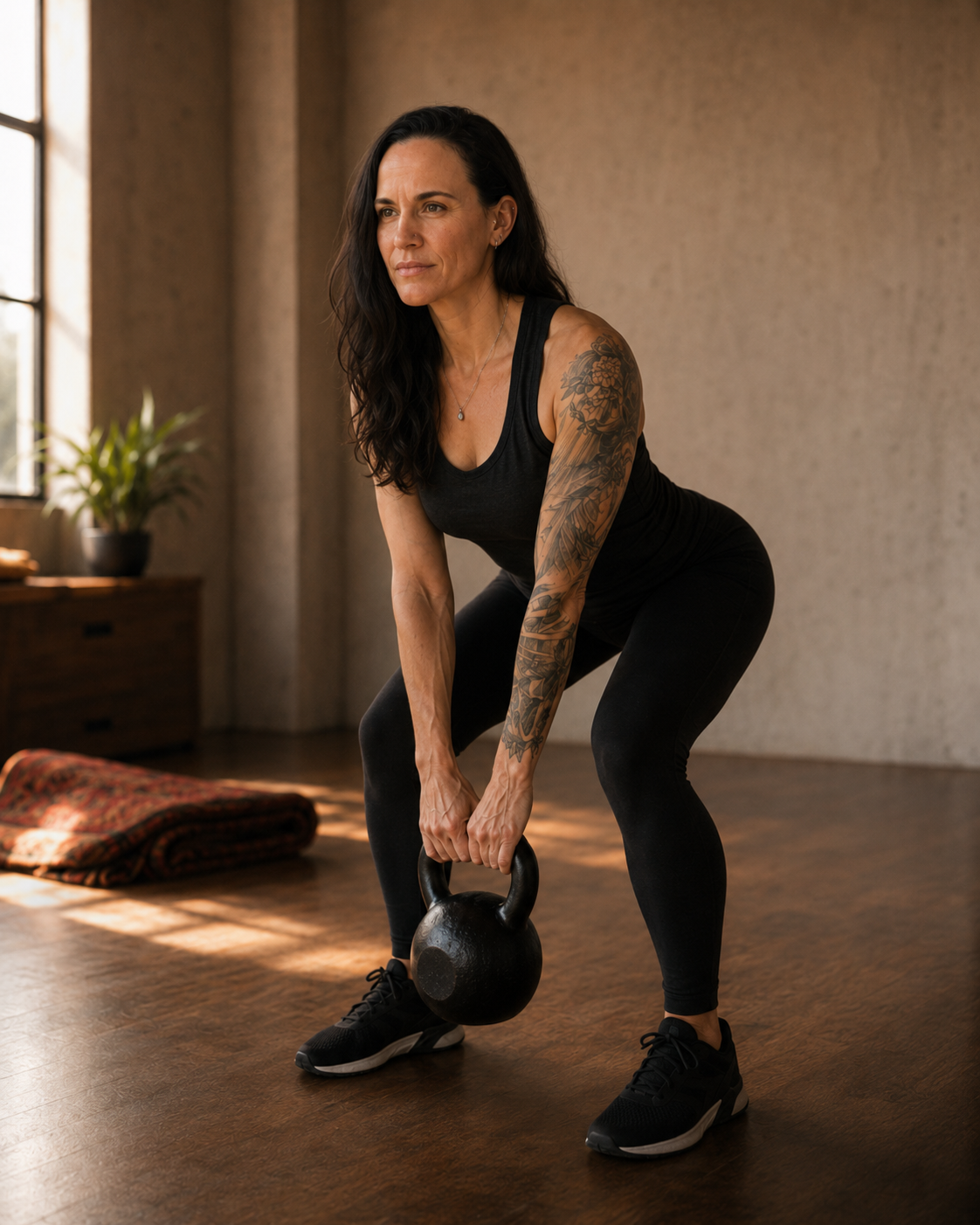
Strength
Controlled strength
Strength work with attention to range, rhythm, control, and repeatability.
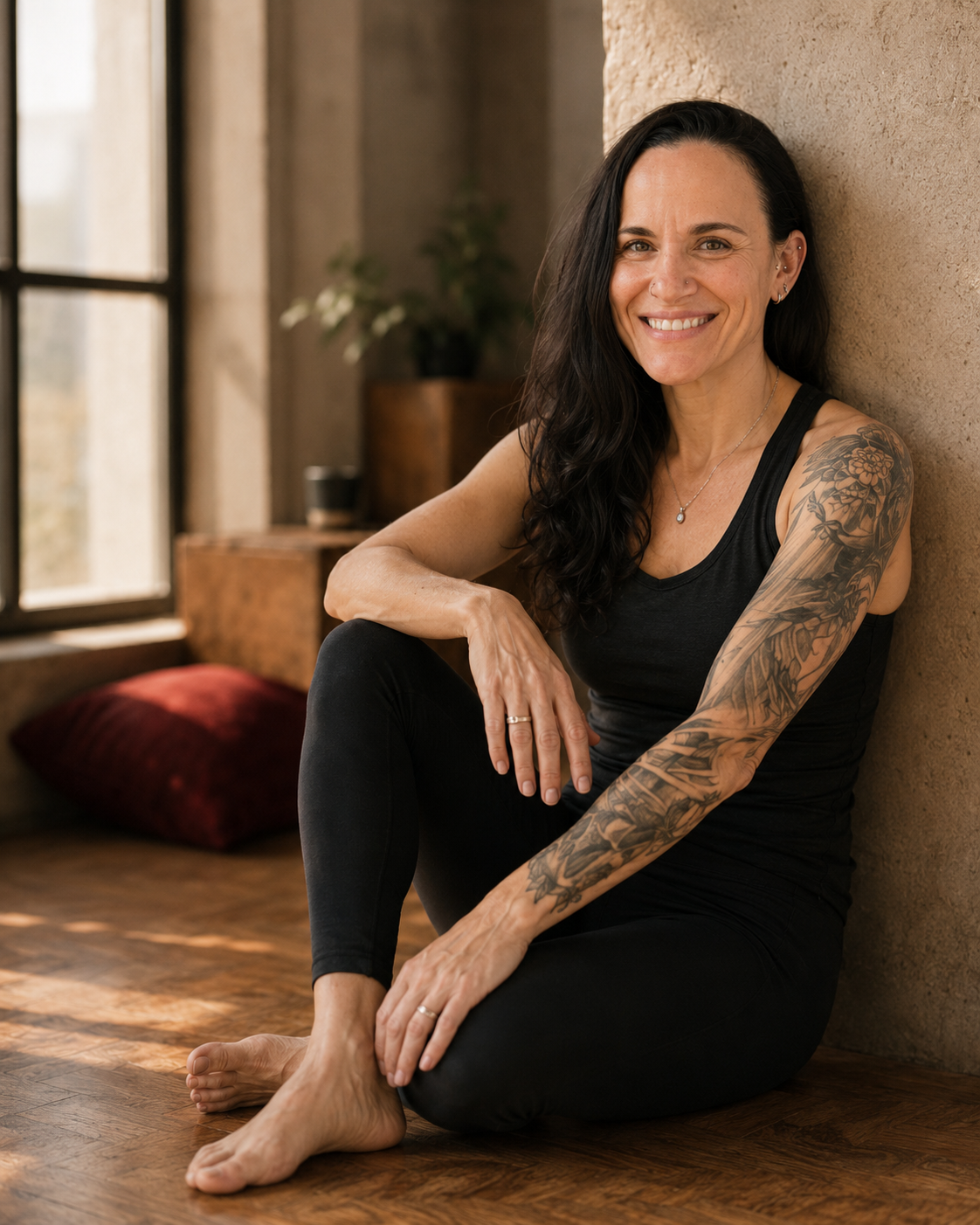
Confidence
Calm confidence
Movement that feels grounded, capable, and connected to everyday life.
Clear & honest
Strong work, clear boundaries.
→
Neely provides movement support, strength education, and practical body-awareness guidance through a Movement Intelligence lens.
→
Her background as a PTA/OTA informs her practical eye for movement, while the work remains non-clinical and educational.
→
She is not a physiotherapist, occupational therapist, physician, clinic, or regulated treatment provider.
→
This work is not medical advice and does not include medical evaluation, diagnosis, treatment, physiotherapy, occupational therapy, or regulated healthcare.
If you have a medical concern about movement, speak with the appropriate regulated provider before starting something new.
20+ years05 — Why Neely
A calm, practical eye for real bodies in motion.
Neely is a Physiotherapist Assistant and Occupational Therapist Assistant (PTA/OTA) with 20+ years of hands-on hospital-based movement experience.
Across thousands of real bodies, she has built a strong practical eye for what is happening in movement: where someone compensates, braces, hesitates, rushes, loses steadiness, or has more capacity than they realize.
Her presence is steady and no-nonsense. The work is specific, observant, and grounded in practical strength rather than hype, performance culture, or generic routines.
06 — Movement
Strength, awareness, and repeatable control.
A tighter look at the visual language: practical strength, body awareness, movement capacity, and calm consistency.
The visual balance stays precise, warm, and focused on practical strength.
Real practice
Real movement, real practice.
A glimpse of the controlled strength, steadiness, and everyday movement awareness behind Neely's work.
Shirt Bottle Notebook
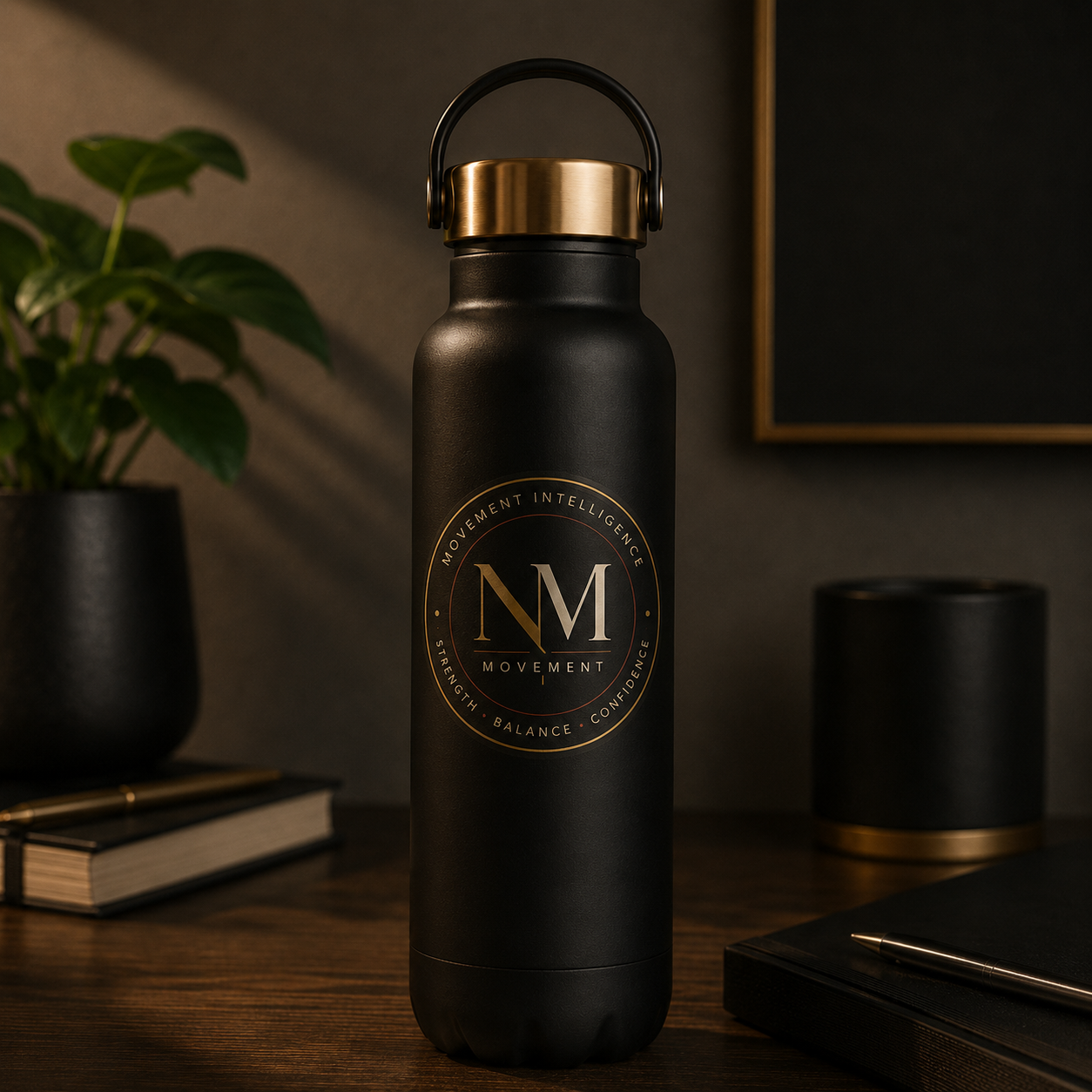
Bottle
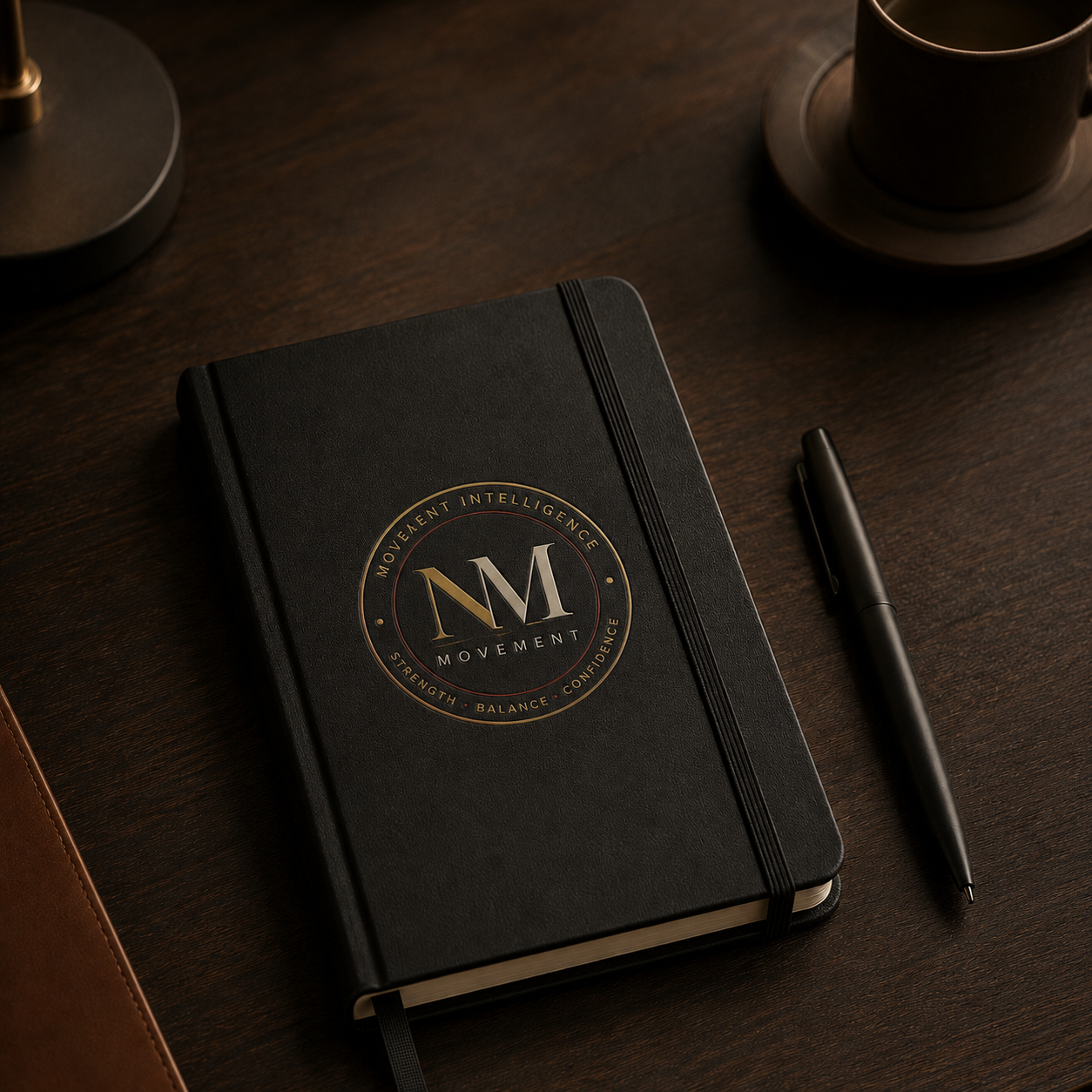
Notebook
07 — Questions
Good questions, answered plainly.
What is Movement Intelligence?
Movement Intelligence is Neely's practical lens for observing how a body moves, compensates, braces, avoids, builds capacity, and gains confidence. It is physical movement awareness, not cognitive testing, diagnosis, or medical evaluation.
Is this physiotherapy or occupational therapy?
No. Neely is a Physiotherapist Assistant and Occupational Therapist Assistant (PTA/OTA) with 20+ years of hands-on hospital-based movement experience. She provides movement support, strength education, and practical body-awareness guidance. This is not physiotherapy, occupational therapy, diagnosis, treatment, or medical advice.
Who is this for?
People who want stronger, smarter movement; people tired of random routines; and people who want more consistency, body awareness, practical strength, and confidence without performance culture.
What happens on an intro call?
A calm conversation. You can share what you want from movement, ask questions, and decide whether this kind of practical support feels like a fit. Please do not send detailed health history by email.
Do I need to be fit?
No. You do not need to perform, keep up, or arrive with a base. The work starts from where you are and builds from there.
When should I seek medical advice first?
Seek the right regulated provider first if you have symptoms, a medical concern, or any question about whether a new activity is appropriate for you.
Get in touch
Start with a simple intro call.
A short, no-pressure conversation is the safest first step. Share only the basics, ask questions, and decide whether this kind of support feels right. Email Neely to ask about current availability, format, location, and whether the approach feels like a fit.
Email hello@neelymoves.online
Instagram Neely MacArthur / @neelymoves
What the first step looks like.
Email Neely to ask about a simple intro call. Keep the first message brief: your name, how you would like to feel more confident moving, and the best way to reply. Please do not send detailed health history by email.
Email Neely